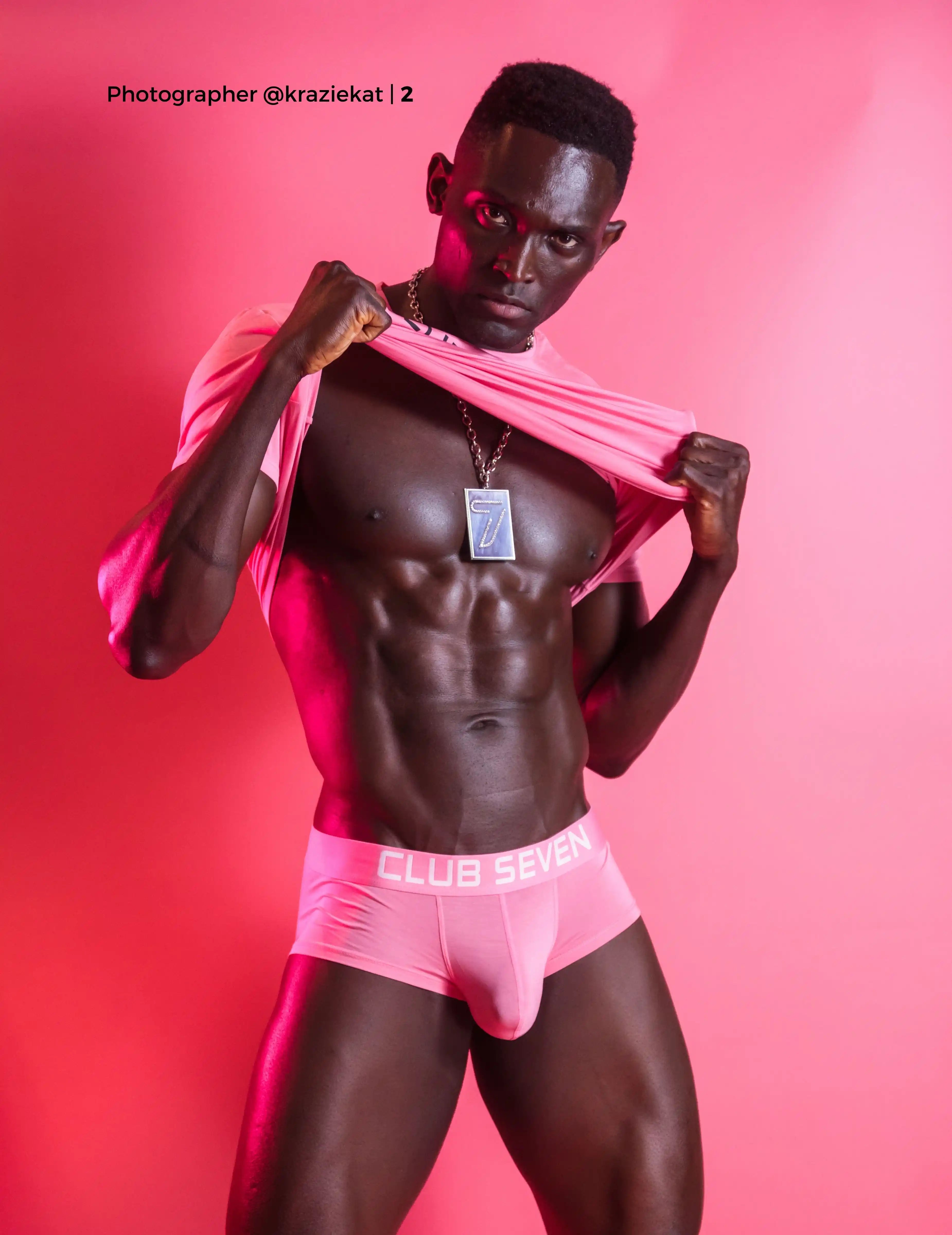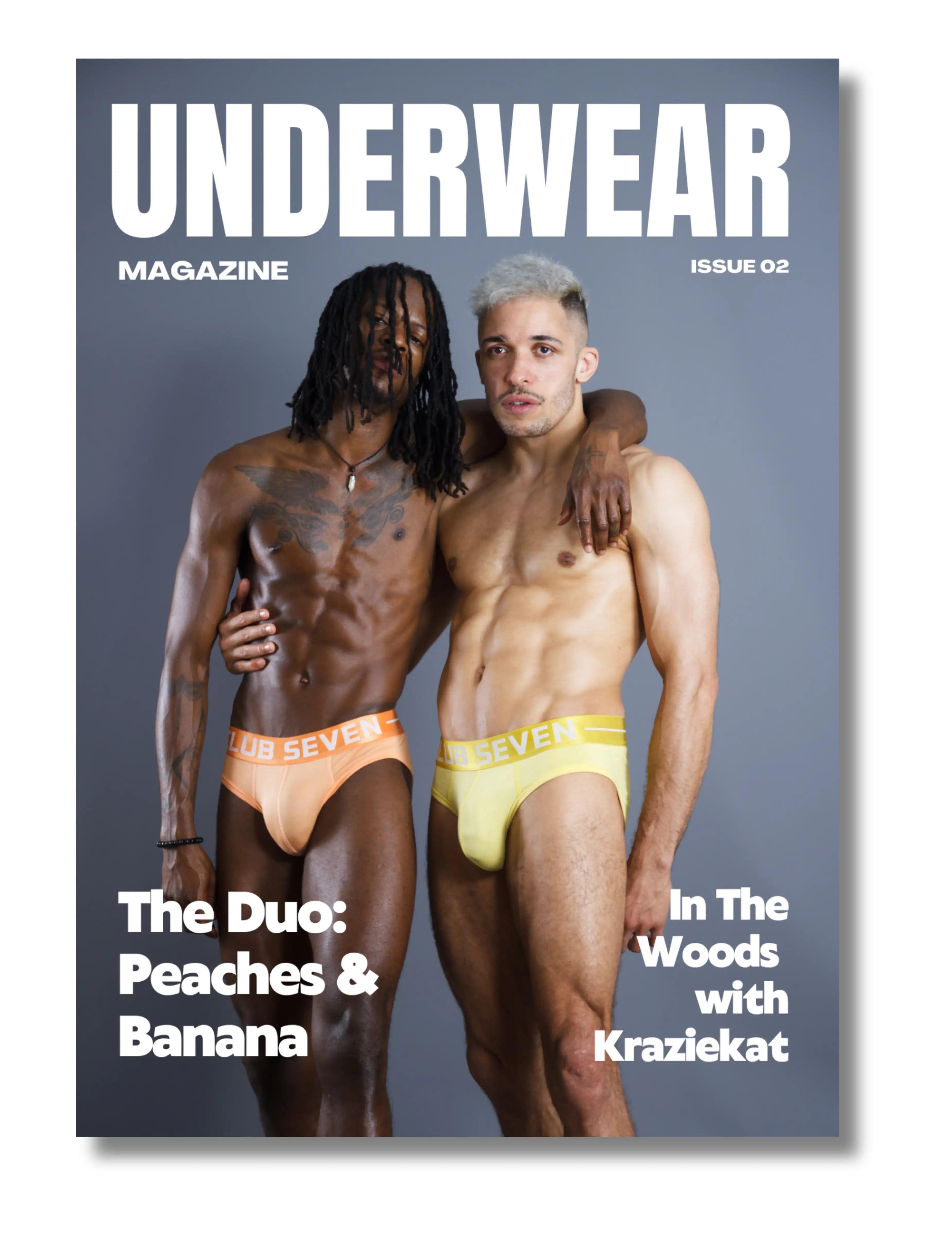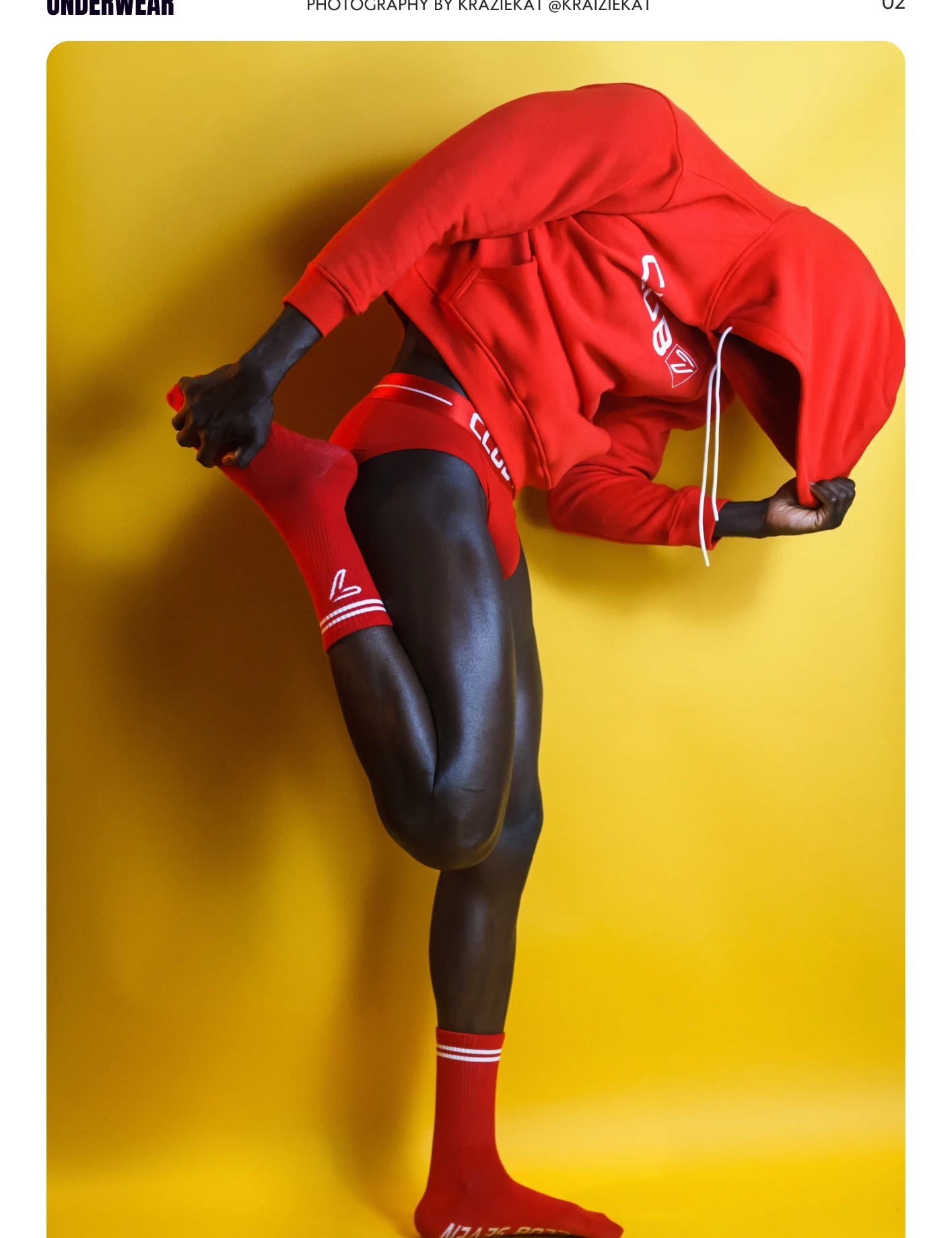


Every June, cities around the world burst into colour. Rainbow flags flutter from lampposts, shop windows glow with inclusive messaging, and the beat of celebration fills the air. Pride month is here. A time to celebrate the history, resilience, joy, and visibility of the LGBTQ+ community. A time to educate and encourage more acceptance and freedom. But as the season approaches, a question quietly surfaces for many straight and cisgender people: Can I, someone who isn’t gay, wear a gay collection during Pride? Does putting on that rainbow underwear or any other bold rainbow accessories imply something about my identity? Should I even attend the parade?
The short answer is yes, you can wear it. You can show your support without being part of the community. The longer answer is a conversation about intention, respect, and where your money goes.
Does wearing a Pride Collection make you gay?
A silly question for some, but some people are definitely pondering this as we speak. A rainbow pattern, a “Love is Love” slogan, or a Pride collection designed for the Pride season doesn’t magically alter your sexuality or gender identity. Wearing these pieces isn’t a declaration of being gay, bisexual, trans, or anything else. It’s a declaration of support. Pride fashion, at its best, functions as a visual signal of allyship. It says, “I see you, I celebrate you, and I stand with you.”
For many straight people, the fear of “appropriating” queer culture or being mistakenly identified as LGBTQ+ can feel paralysing. But sitting out Pride entirely because of that fear can look less like respect and more like distance. Allyship isn’t about staying safely on the sidelines. It’s about showing up, visibly and vocally, even when it’s slightly uncomfortable. Attending the parade, wearing a pride pin, or dressing in tribute to the community is a powerful way to normalise inclusion. If someone wrongly assumes you’re gay because of your outfit, so what? You can smile, correct them if you wish, and take it as a sign that we’re moving toward a world where no one has to hide.
The corporate cash grab culture
Of course, not all Pride collections are created equal. June has become a major marketing moment for big corporations. Walk into any high‑street chain, and you’ll find “Pride collections” that feel suspiciously tame: a white t‑shirt with a tiny, muted rainbow, a tote bag with a generic “be kind” message, a cap with the logo almost unchanged. These designs are intentionally safe, subtle enough to fly under the radar in less accepting environments, and often stripped of any explicit reference to the LGBTQ+ community.
This is rainbow washing. Brands flood the market with merchandise, yet many of them donate only a sliver of profits to queer causes, if they donate at all. Some make no long‑term year-round commitments to LGBTQ+ employees, refuse to fund LGBTQ charities or events, or quietly back anti‑LGBTQ+ politicians while selling you a “Pride Edition” t-shirt. Their involvement is a seasonal costume, not a genuine stance.
When you buy these products, you might feel like you’re participating, but you’re mostly padding a corporation’s quarterly earnings. The question shouldn’t only be “can I wear this?” but also “who am I really supporting when I buy it?”

The power supporting the right businesses: Queer‑owned
Here’s where allyship becomes action. If you truly want your Pride collection to mean something, seek out the collections made by small LGBTQ+‑owned businesses. These aren’t brands that parachute in for June; they are the community. They’re designers, artists, and entrepreneurs who live these identities every day of the year, often facing barriers that straight‑owned mainstream companies never encounter.
When you purchase from a small queer‑owned label, your money doesn’t go to make the top 1% richer. It pays a real person’s rent, funds their gender‑affirming healthcare, supports their local mutual aid network, and helps them give back. Many queer‑owned businesses actively reinvest in the community: they donate to shelters, sponsor youth groups, hire other marginalised creators, and use their platforms to amplify underrepresented voices. That’s a genuine economic engine of empowerment, not a marketing stunt.
Buying from these businesses also means wearing bolder, more meaningful, and braver designs. You’ll find pieces that celebrate the breadth of the rainbow, not just the flag stripped of its context, but art that tells stories, references queer history, and proudly names the identities often erased by generic corporate messaging. That shirt isn’t just an outfit; it’s a statement of solidarity.

Wearing the Pride collection as a straight person
So, a straight person can get involved in Pride and wear the Pride Collection. Involved enough to be present, but thoughtful enough not to centre themselves. Wear the Pride collection, but buy it from the hands that built the community, not the hands that exploit it. Let your outfit open conversations rather than accessorise a party.
Pride isn’t a theme party to which allies are invited as spectators. It’s a protest and a celebration born from struggle. When you wear a truly community‑rooted Pride collection, you’re saying you understand that, and you’re still showing up. You’re participating in a call for visibility, love, and equality that benefits everyone, and your clothes can help carry that message.
So yes, anyone can wear a “gay collection”, and wearing our collection is a great start. We are Queer-owned and a growing brand that gives back to the community. Wear it because you believe love deserves to be seen. Wear it because you support the people behind the stitch. Wear it because allyship isn’t a passive identity; it’s a verb you put on, quite literally, for the world to see.