

Any time someone mentions men’s underwear, what is the brand that comes to mind first? I would be surprised if you didn’t say Calvin Klein. Calvin Klein was established all the way back in 1968, and to this day, they are the most successful men’s underwear brand ever! But Why?
Calvin Klein has been the centre of underwear modelling for decades and throughout my childhood. As a child, I used to love looking at male underwear models. So, forgive me if this blog ends up showing a lot of classic Calvin Klein male underwear models.
There’s a particular kind of nostalgia that hits when you see a black-and-white underwear ad from the ’80s or ’90s. The grain, the shadow, the waistband. The model who looks like he just rolled out of bed and somehow knows exactly what he’s doing. It’s not just underwear. It’s theatre. And no one did that theatre quite like Calvin Klein. I must give David Beckham posing for Emporio Armani an honourable mention because it was an iconic moment in male underwear modelling.
Feel like a male underwear model with our designs and save 15% on your order by using code: BLOG15
Calvin Klein – How it started
Calvin Klein didn’t invent male underwear modelling, but it turned it into a cultural event. In 1982, Bruce Weber photographed Olympic pole vaulter Tom Hintnaus in a pair of white briefs against a Greek island sky. The image was simple, almost stripped back. A man. A body. A stare. It sold underwear, but it also sold a fantasy, one that was confident, athletic, and unapologetically male.

Marky Mark (1992) — the one that invented the genre
Before 1992, men’s underwear was sold in department store catalogues. Functional. Invisible. Then Herb Ritts photographed a 21-year-old Mark Wahlberg, known then as rapper Marky Mark, grabbing his crotch in white briefs for a Times Square billboard. Fashion editors who were in New York at the time used one word to describe it: confrontational.

The images ran alongside a 17-year-old Kate Moss, and the contrast between Wahlberg’s muscular frame and Moss’s androgynous thinness made the campaign vibrate with tension. It didn’t just sell underwear. It turned underwear into a declaration. As one retrospective put it, every Calvin Klein campaign since has been chasing the energy of those photographs.
Antonio Sabato Jr. followed. Marcus Schenkenberg. Travis Fimmel. Freddie Ljungberg. The names changed, but the formula stayed: a strong jaw, a relaxed pose, a waistband that did half the talking.
The golden era of the male underwear model
Old school male underwear modelling had a specific craft. It wasn’t just about abs. It was about ease. The hand in the waistband. The low-slung jeans. The slightly messy hair. The body hair that wasn’t apologised for. The black-and-white grain that made everything feel a little more intimate, a little more stolen. These models didn’t look like they were trying. They looked like they had simply paused, mid-thought, and allowed you to look.
That’s harder than it sounds. The best old-school underwear models had to project confidence without arrogance, vulnerability without weakness, desire without desperation. They were selling a feeling as much as a product: this is what it means to be comfortable in your own skin.
Jeremy Allen White (2024) — the one that broke the metrics
January 2024. Calvin Klein posted a 30-second video: White climbing a fire escape, peeling off a tank top, stepping out of jeans, standing on a rooftop in white briefs against the New York skyline. Within hours, the internet had what one fashion writer called “a collective episode”.
The numbers were staggering: 1.7 million Instagram likes in ten days. The video racked up over 8.9 million plays, 197k shares, and 8.4k comments. Phrases like “concerning to feminism” and “yes chef” entered the lexicon as underwear commentary. Recognition made it work. White doesn’t look like a model. He looks like someone you know. As one analyst noted, “Wahlberg sold aspiration. White sells something closer to recognition”. It became the highest-engagement Calvin Klein campaign since 1992, and unlike Wahlberg’s, we have the data to prove it.
Bad Bunny (2025) — the one that overwhelmed the internet
March 2025. Mario Sorrenti shot Bad Bunny in a 46-second video for the Icon Cotton Stretch underwear, filmed in Puerto Rico. Mirrors. Stark backdrops. Tattoos. A stare that doesn’t blink. The campaign didn’t just go viral; it generated $8.4 million in Media Impact Value in less than 48 hours.
On TikTok, the video hit 1.8 million likes and 20.3 million views in under a week. On Instagram, it surpassed 30 million views. A single post from the pop culture account @PopBase featuring two static images generated 24 million views and 127k likes. If everyone nods in agreement, you’ve played it safe.

The legacy & the lesson
Today, underwear campaigns are more inclusive, more diverse, and more body-positive. That’s a good thing. But the old Calvin Klein ads remain the blueprint. They proved that underwear could be fashion, art, and identity all at once. They made space for brands like Club Seven.
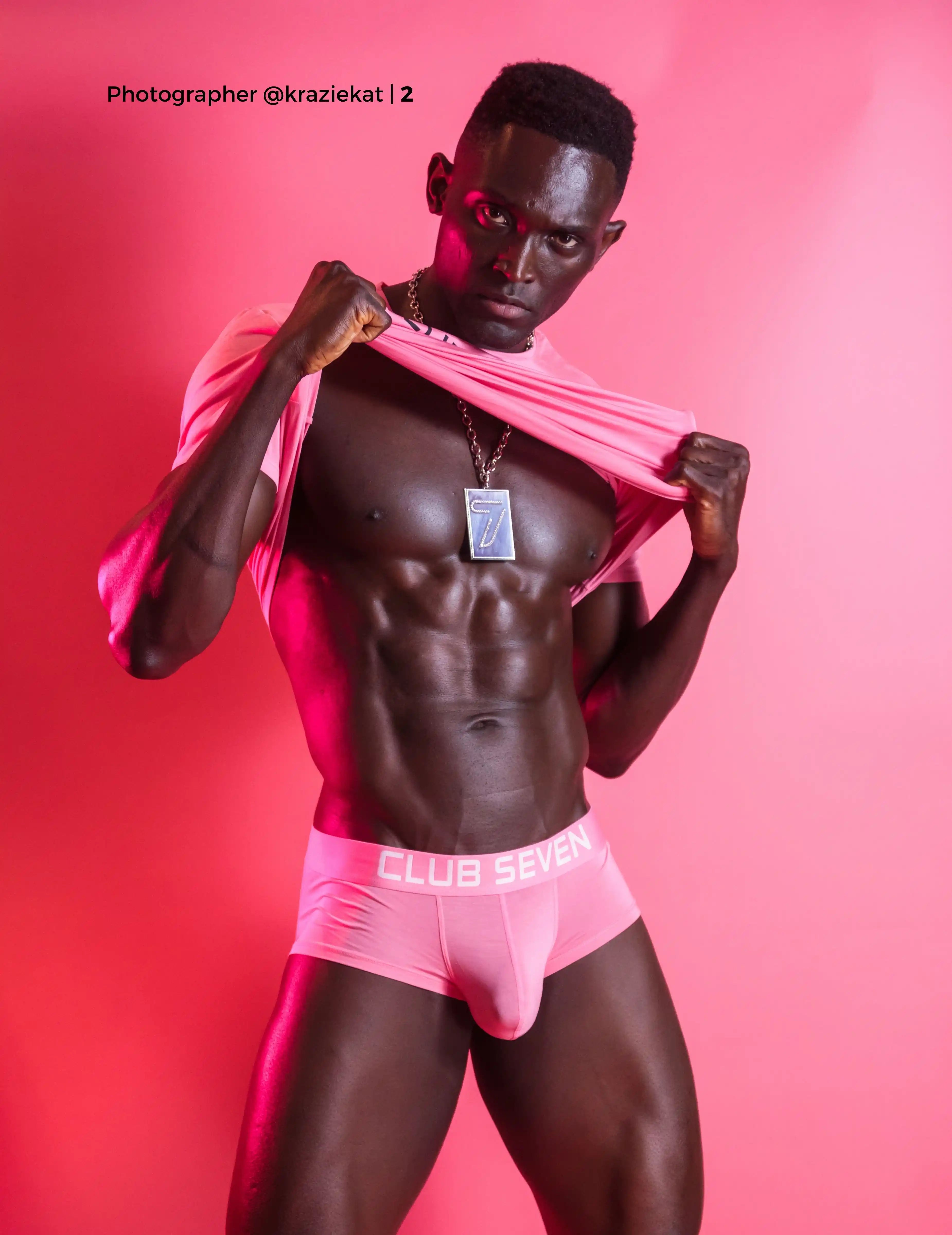
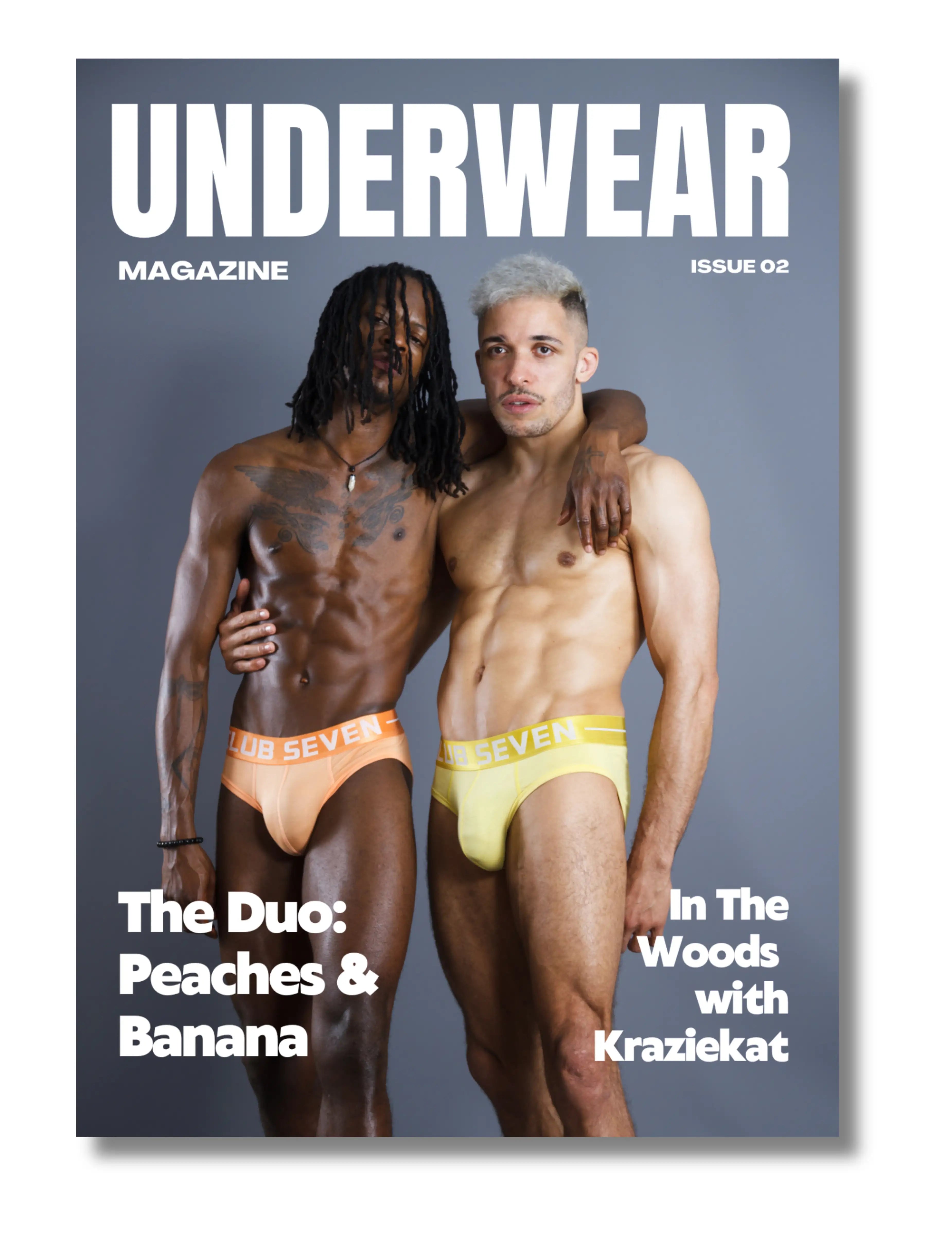
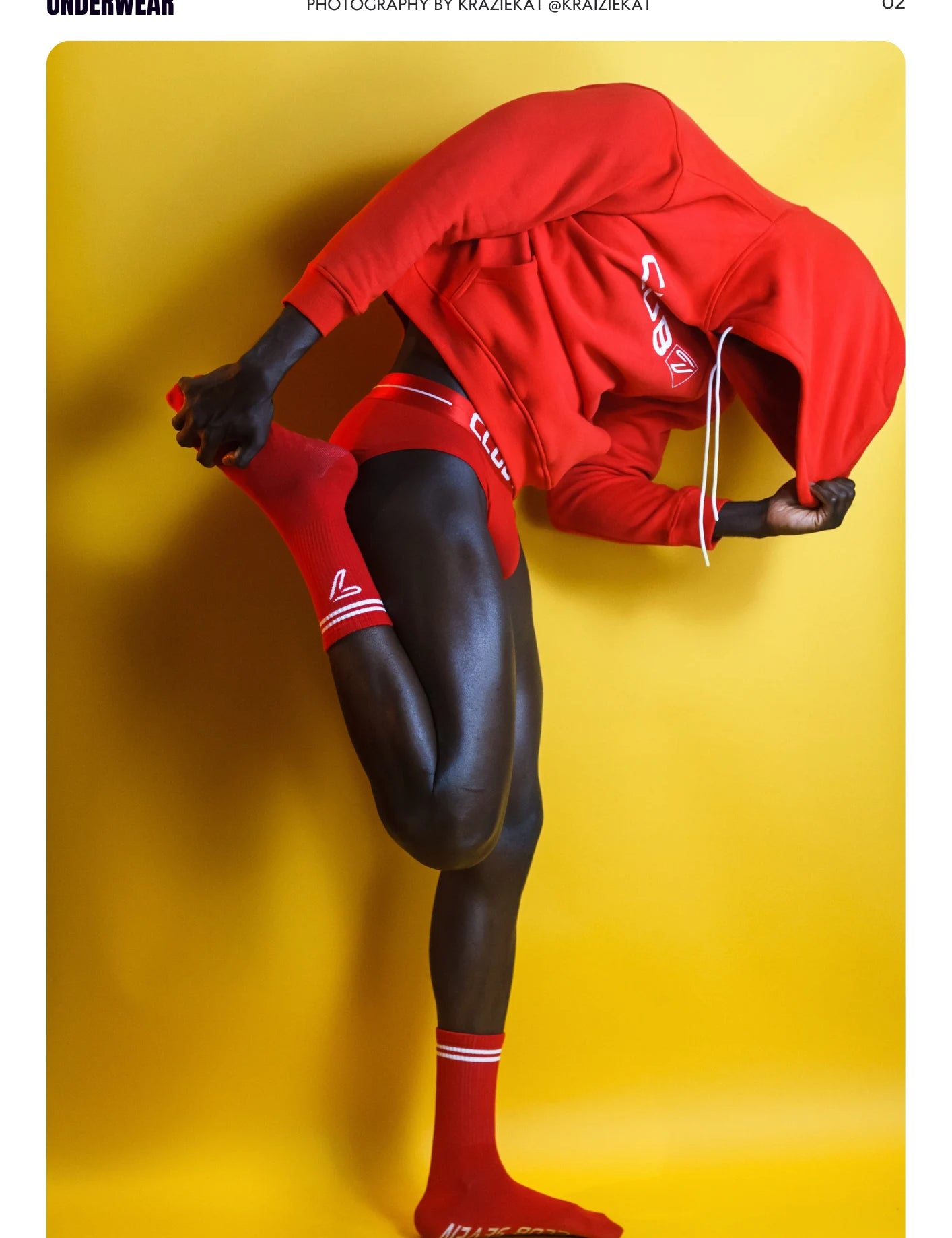
At Club Seven, we think about that legacy a lot. All our underwear collections are about bold self-expression and uncompromising comfort. We love a classic waistband moment as much as anyone. But we also know that feeling sexy starts with feeling comfortable in your own skin. That’s the old-school lesson worth keeping.
So yes, forgive the nostalgia. Or don’t. Pull up a classic Calvin Klein campaign, remember the first model who made you pause, and celebrate the fact that underwear can still be a place where we see ourselves.